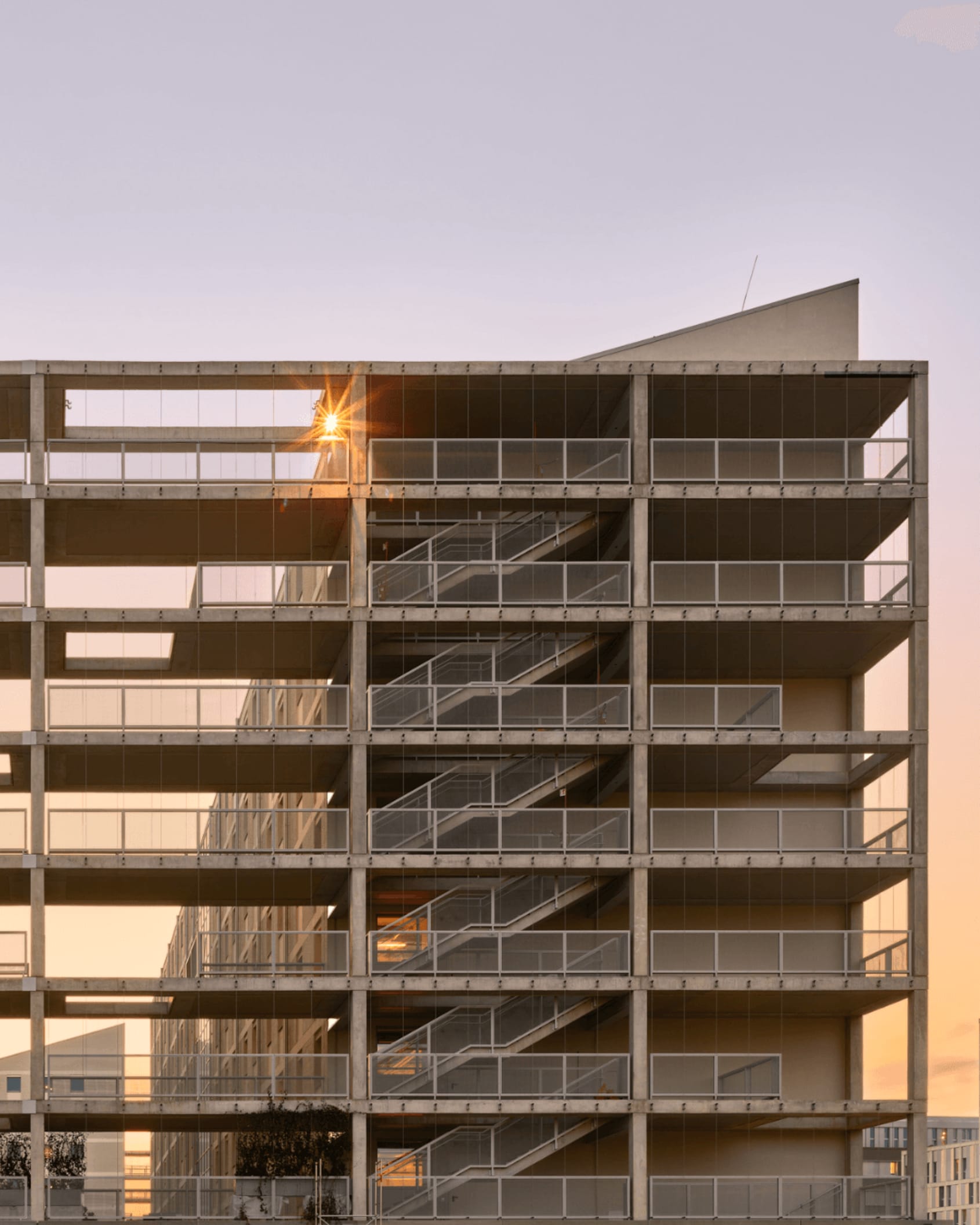
Milan-Cortina 2026 Olympic Village
The development is designed to host athletes during the event, while being conceived from the outset with a long-term vision, integrating architecture, public space and sustainability into a new urban district.
Architecture and shared spaces
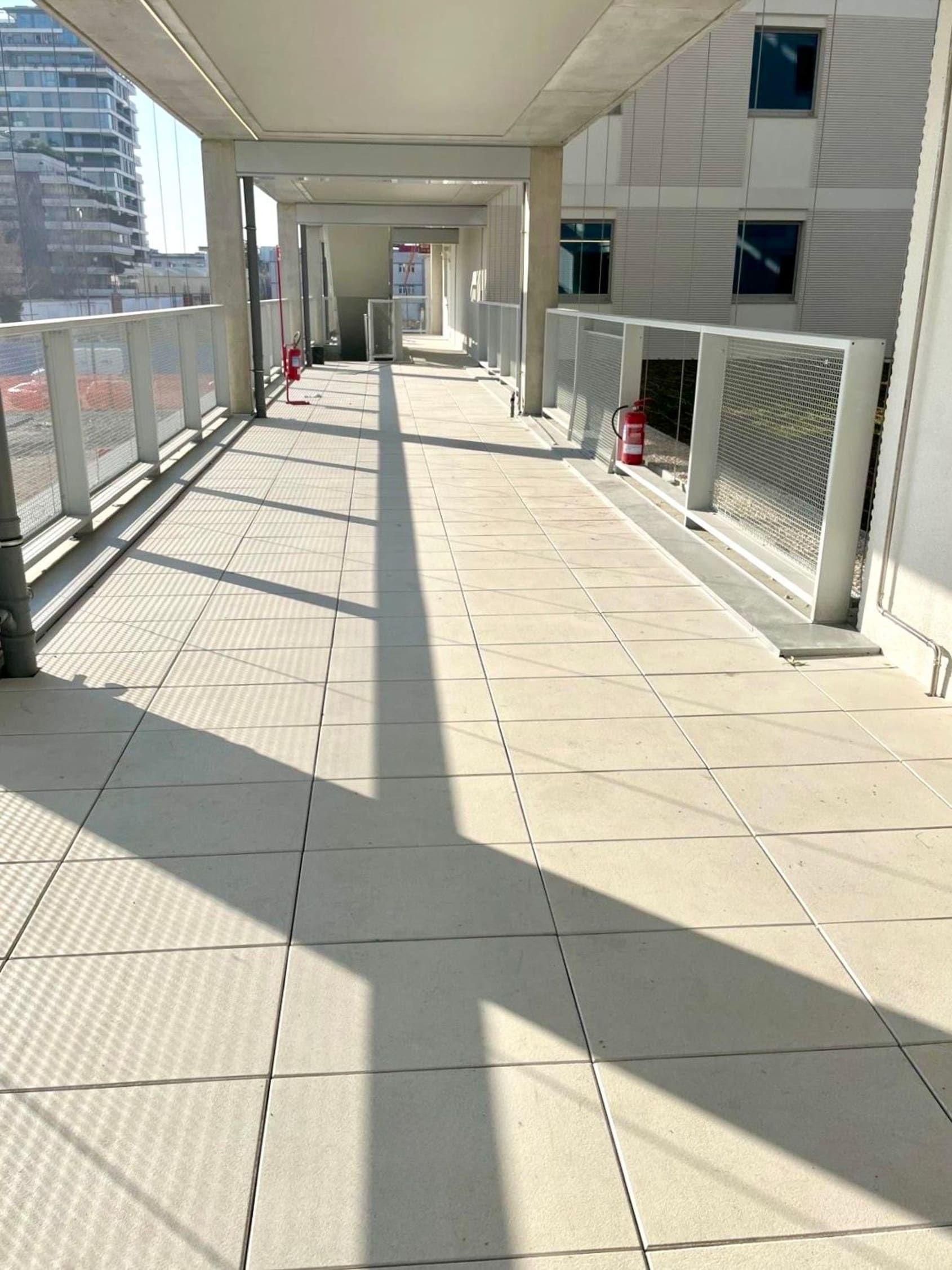
The complex is designed to ensure high living quality, energy efficiency and strong integration with the surrounding urban context, with particular attention to outdoor spaces. Terraces and connecting surfaces play a key role in the project, enhancing the relationship between private and collective areas and contributing to the overall quality of the built environment.
In this framework, surface design becomes a strategic element in shaping the architectural experience. Within the Olympic Village, Favaro1 supplied the terrace paving, contributing to the durability and quality of outdoor spaces.
The surfaces are designed to:
- ensure resistance to intensive use
- maintain long-term performance and stability
- integrate with the architectural language of the project
An intervention that highlights how paving is not simply a finishing element, but an integral part of architectural design.
Sustainability and future reuse
One of the most distinctive aspects of the project is its post-Olympic transformation. After the Games, the Olympic Village will be converted into one of the largest student housing developments in Italy, providing approximately 1,700 beds and contributing to the evolving housing needs of Milan.
This transformation represents a concrete example of circular architecture and sustainable urban regeneration, where buildings and infrastructures are designed for a second life.